HBO Max UK launch confirmed for March

HBO Max will launch in the UK and Ireland on 26 March 2026.
The service will bring HBO shows, Warner Bros. films and TNT Sports together in one platform with multiple pricing tiers and bundle options.
For viewers, the change matters now because some subscriptions - especially sports access and Sky packages - will shift or be restructured when it arrives.
The HBO Max launch: plans, pricing and platforms
HBO Max will launch in the UK and Ireland on 26 March 2026 as Warner Bros. Discovery's new flagship streaming app for the region, bringing together its entertainment catalogue and sports rights in one service.
At launch, viewers can choose from four main entertainment plans:
| Plan | Monthly price | Streams & quality | Content access |
|---|---|---|---|
| Basic with Ads | £4.99 | 2 streams, Full HD | Most shows and films, but excludes movies that arrive straight after cinema release |
| Standard with Ads | £5.99 | 2 streams, Full HD | Full catalogue including post-theatrical films |
| Standard (ad-free) | £9.99 | 2 streams, Full HD | Full catalogue including post-theatrical films |
| Premium | £14.99 | 4 streams, 4K Ultra HD + Dolby Atmos (where available) | Full catalogue including post-theatrical films |
Basic with Ads includes most shows and films but excludes movies that arrive on the service straight after their cinema run. Standard tiers include those post-theatrical releases and allow downloads for offline viewing, while Premium raises download limits and adds higher video and audio quality.
That distinction is worth paying attention to, because it means HBO Max's cheapest plan doesn't just limit features - it also limits part of the catalogue. Most major streaming services keep their content libraries the same across tiers and vary only ads, quality or streams, so tying film access to price level is a notable difference.
A separate TNT Sports plan (£30.99/month) will also be available, including TNT Sports 1-4, TNT Sports Ultimate, live event feeds and original documentaries. This can be bought as a standalone subscription or added to selected entertainment plans, with live sports using one of your available streams - that is, one of the screens you can watch at the same time.
HBO Max will be available across a wide range of devices, including smart TVs, streaming sticks, set-top boxes, games consoles, phones and tablets, with support confirmed for platforms such as Android, iOS, Fire TV, Roku, Samsung, LG, PlayStation, Xbox, EE TV, BT TV and Virgin TV.
Subscribers can create up to five personalised profiles with tailored recommendations, Continue Watching, optional downloads depending on plan, and kid-friendly profiles with parental controls.
The app will open for pre-registration on Apple's App Store and Google Play from 12 March, ahead of the full launch later that month.
What actually changes for viewers
For many households, the biggest change isn't the launch itself but where content is available and how it's accessed.
From 26 March, TNT Sports will move from discovery+ to HBO Max for streaming, so anyone who currently watches sport online will need to use the new app even if their subscription price or provider stays the same.
Access will also expand beyond Sky's ecosystem for the first time. HBO shows were historically tied to Sky and NOW distribution in the UK, but the new app will be available across multiple platforms and devices - including TV providers such as Virgin Media - allowing viewers to watch HBO content without needing a Sky subscription.
Sky Ultimate TV customers will automatically receive HBO Max as part of their existing package, but typically only at the entry-level tier. That matters because the included version is Basic with Ads, which does not include certain newer films that arrive on the service after cinema release - although customers can upgrade to a higher HBO Max tier for full access.
NOW customers will see a restructuring rather than a simple addition. Existing Entertainment subscribers will be moved automatically to a new Entertainment & HBO Max membership at no extra cost, which includes HBO Max's Basic with Ads tier within the NOW platform rather than creating a separate HBO Max account.
New NOW customers will be offered two options:
- Entertainment & HBO Max from about £6.99/month
- Entertainment-only from about £4.99/month without HBO Max access
The version of HBO Max included in both cases is the Basic with Ads tier. That means access to HBO Max series and most films is included, but newer post-cinema releases - which sit behind Standard and higher HBO Max plans - are not available through that bundled tier.
Those newer films remain part of the NOW Cinema membership instead. In practical terms, customers who want access to the full range of HBO Max films will need NOW Cinema as well as the Entertainment & HBO Max membership.
For EE TV and BT TV customers, the same changes apply. Existing TNT Sports subscribers will keep access after launch, but streaming will move from discovery+ to HBO Max, meaning viewers will need to use the new app on supported devices to continue watching.
Streaming is becoming the pay TV it once disrupted
HBO Max's UK launch highlights a structural shift already underway across the streaming market: platforms are starting to separate content access by tier, not just features or adverts.
Instead of offering one catalogue to all subscribers, HBO Max places its newest post-cinema films behind higher plans while keeping most series available on the entry tier. That approach is still relatively unusual among major streaming services, but it mirrors how traditional pay-TV packages have long worked, where premium content sits behind higher subscription levels.
Seen in that context, the structure looks less like a pricing experiment and more like an early sign of consolidation. As media companies combine libraries, sports rights and film catalogues into single platforms, the amount of content inside each service becomes large enough to segment. Discovery+ followed a similar path after integrating TNT Sports, introducing separate Entertainment and Entertainment + Sports tiers rather than one universal catalogue.
If that pattern continues - particularly if further mergers or acquisitions reshape ownership of major studios or platforms - streaming services may increasingly adopt tiered content access models. Instead of paying for one app with everything included, subscribers could find themselves choosing which parts of a platform's catalogue they want.
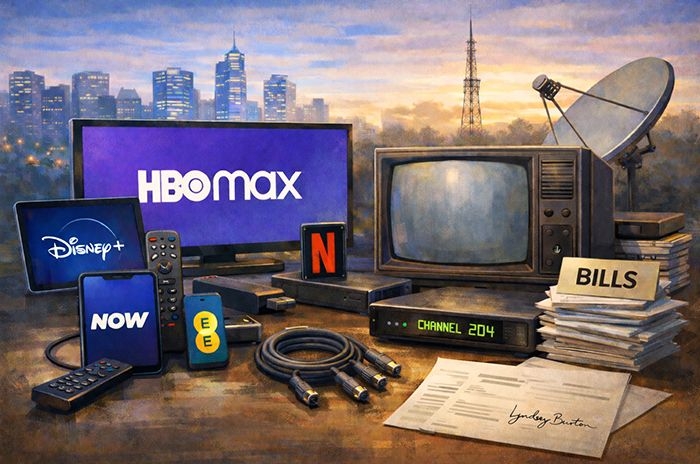
At the same time, providers are encouraging longer commitments. NOW already offers lower monthly prices for six-month plans, while services such as Disney+ and Amazon Prime Video discount annual subscriptions paid upfront. Bundles through pay-TV providers add another layer, often combining multiple apps under one contract. For viewers, that shifts the decision from simply choosing what to watch to deciding how - and for how long - they want to pay for access.
The direction of travel is clear: streaming is beginning to resemble the subscription TV market it originally set out to disrupt, with layered access, bundled pricing and longer-term deals becoming the norm.

We're independent of the products and services we compare.

We order our comparison tables by price or features - never by referral revenue.

We donate at least 5% of net profits to charity, and operate a climate-positive workforce.