Energy comparison and switching guides

Energy market overview
Energy prices in the UK remain regulated through the price cap on standard variable tariffs, which limits what suppliers can charge for unit rates and standing charges. Fixed-price energy deals have returned, but whether they offer better value depends on market conditions and household usage.
Most households are still on variable tariffs, and switching isn't always the cheapest option. Understanding how the price cap works, when fixed deals may make sense, and what support is available can help you decide whether to stay put or switch.
Choose provides independent guides on energy pricing, switching rules and customer protections, alongside access to third-party comparison services.



Energy news and market updates

02 January 2024
Energy prices increase by 5%
23 November 2023
Energy price cap to rise 5% in January 2024
24 October 2023
Energy companies must do more to support customers
How to compare energy with Choose
What is the energy price cap?
The energy price cap limits what suppliers can charge customers on standard variable tariffs (SVTs). It is reviewed and updated by the regulator to reflect wholesale energy costs.
Since the energy crisis, many households have been on SVTs because fixed deals were either unavailable or poor value. While fixed tariffs have started to return, the price cap continues to provide protection for customers who do not switch.
How do energy rates vary between suppliers?
When the price cap is in effect, standard variable tariffs across suppliers tend to be very similar, with relatively small differences over a year.
Some fixed deals may be available at times, but whether they offer value depends on market conditions and how they compare to capped tariffs.
Comparing tariffs can still be worthwhile, particularly if you want price certainty or are coming to the end of a fixed deal.
What help is available for paying energy bills?
Support is available for households struggling with energy costs, including government schemes, supplier support and targeted help for vulnerable customers.
This can include benefits-related support, discounts for eligible households, and assistance for customers in payment difficulty or energy debt.
Can I get help to pay for home insulation?
Government-backed schemes provide funding for energy efficiency improvements, including insulation and heating upgrades, for eligible households.
Eligibility is typically based on income, benefits received and property type.
How can I reduce my energy usage?
Reducing energy usage can help lower bills, especially during periods of high prices.
Simple steps such as improving insulation, using heating controls effectively, and being mindful of high-energy appliances can all make a difference.
What should I do if my energy firm has gone bust?
If an energy supplier fails, the regulator's safety net ensures your supply continues and you are moved to a new supplier.
You do not need to switch immediately, but taking meter readings can be helpful.
Can I get back my energy bill credit?
Suppliers may build up credit on accounts to cover higher winter usage, but customers can request refunds if balances are excessive.
Providers are expected to consider refund requests, particularly where credit is clearly more than needed.
Should I get a smart meter?
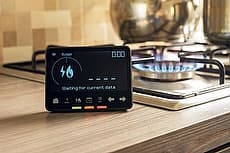
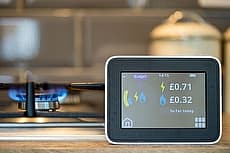
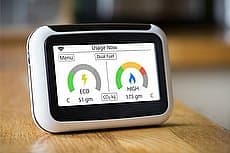
Smart meters automatically send readings to suppliers, helping to ensure accurate bills and easier top-ups for prepayment customers.
You are not required to accept a smart meter, but suppliers are continuing the national rollout.
How do I find more information on energy?
Choose provides guidance on a wide range of energy topics, including switching suppliers, understanding bills, complaints and consumer protections.
You can use the site search to find specific information.